Last updated: April 17, 2026
Top 10 Indonesian Mistakes English Speakers Make
Why this matters
Indonesian is one of the easiest Asian languages for English speakers — but the same habits that work in French or Spanish actively harm you in Indonesian. Fix these 10 mistakes and you'll sound natural faster than 95% of self-taught learners. Locals will notice the difference within one conversation.
Pronouncing "C" like English "s" or "k"
SIN-tah (for cinta)
CHIN-tah
The letter "C" in Indonesian is always "ch" as in "chair". No exceptions.
Putting adjectives BEFORE nouns
Besar rumah (big house)
Rumah besar
In Indonesian, modifiers always come AFTER the noun: noun-adjective, noun-possessor, noun-number.
Inserting "adalah" (is/am/are) like English
Saya adalah lapar (I am hungry)
Saya lapar
Indonesian skips the copula for adjectives and states. "Adalah" is only used to equate two nouns (e.g., "Dia adalah guru" = He is a teacher).
Trying to conjugate verbs
Saya makaned (I ate — invented past form)
Saya sudah makan (I already ate) OR Saya makan kemarin
Verbs never change. Use time markers: sudah (already), akan (will), sedang (currently), kemarin (yesterday), besok (tomorrow).
Always using reduplication for plurals
Banyak buku-buku (redundant)
Banyak buku
When quantity is already clear (banyak = many, tiga = three), don't double the noun. Reduplication is for when you specifically emphasize plurality without other markers.
Using "kamu" with elders or strangers
Kamu mau apa? (to an elderly shopkeeper)
Bapak/Ibu mau apa? OR Anda mau apa?
Default to formal forms with unknown, older, or higher-status people. "Kamu" is for friends, siblings, children. "Anda" is formal universal.
Using English "r" instead of rolled R
American "rumah" (house with English r)
RROO-mah (trilled r)
Indonesian "R" is always trilled, like Spanish, Italian, or Russian. Practice by repeating "butter" quickly — that tongue tap is the start of a trill.
Mixing Malay and Indonesian words
Saya kereta baru (I new car — using Malay "kereta")
Saya mobil baru (Indonesian uses "mobil")
Indonesian and Malay share 80% vocabulary but differ on many everyday words. Stick to Indonesian sources when learning Indonesian specifically.
Dropping me-/di- prefixes entirely
Saya makan buku (I eat book — missing "membaca")
Saya membaca buku (I read a book)
Some verbs REQUIRE the me- prefix to function correctly. Memorize verbs in their full form (membaca, menulis, mendengar) not just the root (baca, tulis, dengar).
Over-using "apakah" at the start of every question
Apakah kamu lapar apakah? (awkward formal tone)
Kamu lapar? (with rising intonation)
In casual conversation, just raise your tone at the end of a statement. "Apakah" is more common in formal contexts or when you need to make the question explicit.
Frequently Asked Questions
What is the most common mistake when learning Indonesian?+
The single most common mistake is pronouncing the letter "C" as "s" or "k" (like in English, French, or Spanish). In Indonesian, "C" always sounds like "ch" in "chair". Saying "sinta" instead of "CHIN-tah" for love is the #1 tell that someone is a beginner. Fix this on day one.
Do English speakers confuse Indonesian with Malay?+
Frequently. Indonesian and Malay share 80% mutual intelligibility but differ in vocabulary (mobil vs kereta for "car"), spelling (uang vs wang for "money"), and formality levels. Using Malay vocabulary in Indonesian conversation is understandable but marks you as a learner. Stick to Indonesian sources if you're learning Indonesian specifically.
Is it rude to use "kamu" in Indonesian?+
It depends on context. "Kamu" (you) is casual/informal and fine among friends, younger people, or children. With strangers, elders, or in formal situations, use "Anda" (formal you) or refer to the person by their role ("Pak" for older men, "Bu" for older women, "Mas" for young men, "Mbak" for young women). Default to the more formal option when uncertain.
Why do English speakers struggle with Indonesian affixes?+
Because English lacks an equivalent system. In Indonesian, attaching "me-" or "di-" to a root changes the word's grammatical role (active vs passive), while "ber-" and "-kan" change meaning or intent. Learners often omit affixes entirely or use them incorrectly. The solution: memorize common verbs in their full me-/di- forms from day one rather than the bare root.
What English habits should I avoid when speaking Indonesian?+
Five habits: (1) using English word order for adjectives ("big house" instead of "house big"); (2) trying to mark plurals (adding -s, or saying "banyak buku-buku" which is redundant); (3) translating literally ("I am hungry" → "Saya adalah lapar" instead of simply "Saya lapar"); (4) using the English "r" instead of the Indonesian rolled R; (5) forgetting to use time markers to express tense.
Related Guides
- ➜ Indonesian Grammar Basics
- ➜ Alphabet & Pronunciation Guide
- ➜ Indonesian vs Malay
- ➜ The Complete Beginner Guide
Why are you learning Indonesian?
Pick your path — we tailor everything to your goal.
Free Resources to Learn Indonesian
Complete guides, comparisons and practical tips
Beginner Guide — Where to Start
Alphabet, pronunciation, essential grammar, first 100 words, 30-day roadmap to A1
Read the guideLearn Indonesian — Complete Guide
A1-C2 levels, methods, duration, app comparison
Read the guideEssential Phrases for Travelers
50+ practical phrases for Bali, Jakarta, markets
Read the guideIndonesian vs Malay: Key Differences
80% mutual intelligibility, vocabulary, grammar
Read the guideBest App to Learn Indonesian
2026 comparison: IndoLingua vs Duolingo, Babbel, Pimsleur
Read the guideHow Long to Learn Indonesian?
FSI timeline: 900h total from A1 to C2
Read the guideIndoLingua · indolingua.fr · Learn Indonesian from A1 to C2
Latest from our blog
In-depth articles to go beyond the basics

Living in Bali Without Speaking Indonesian: Is It Really Possible in 2026?
Many expats live in Bali without learning Bahasa Indonesia. Possible, but with what limitations? A realistic analysis based on expat feedback, admin procedures, and daily life.
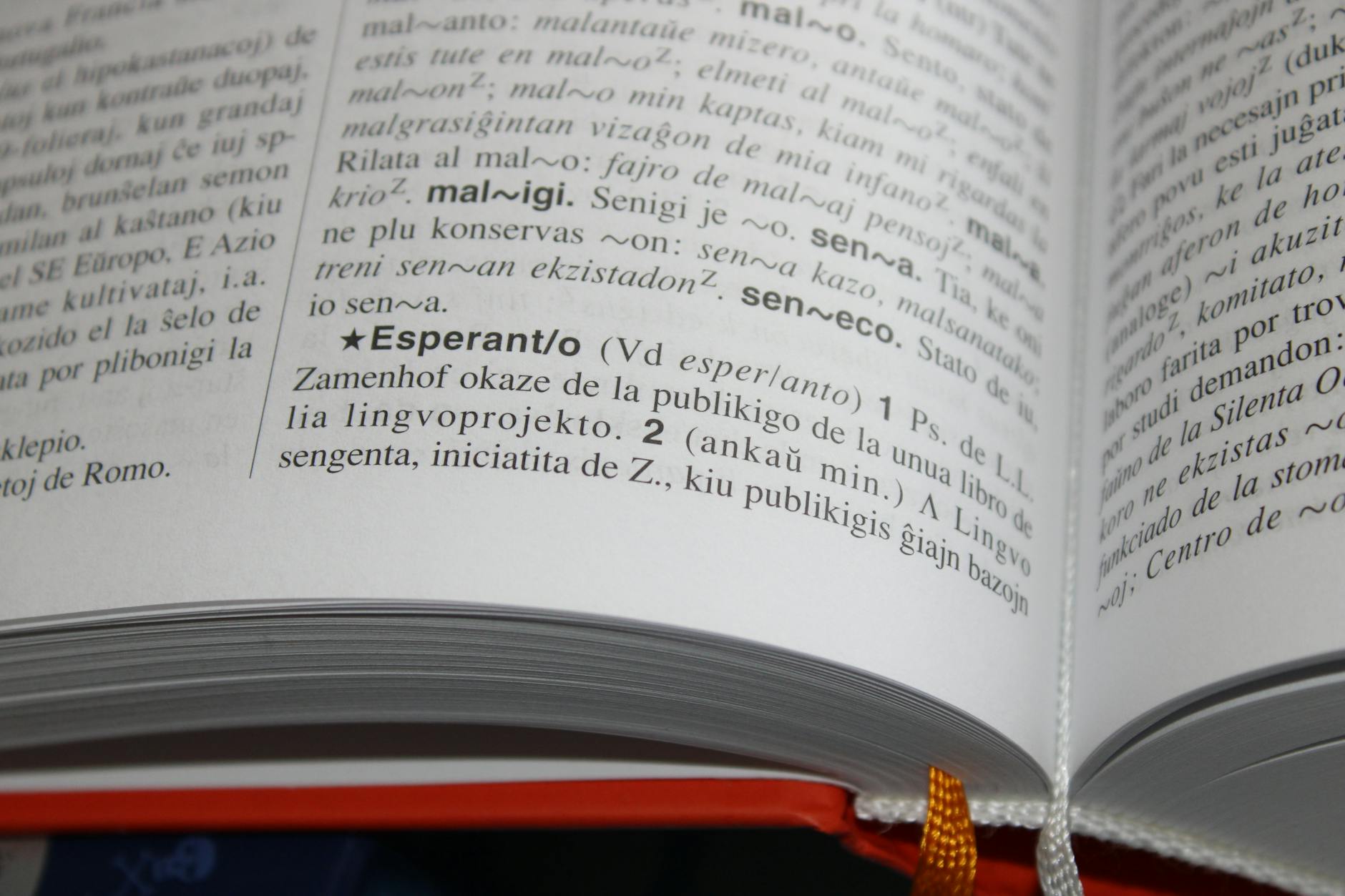
Why Indonesian Is Easier Than Spanish for English Speakers (Linguistic Analysis)
Spanish seems more accessible because it's familiar, but Indonesian has unique structural advantages: no conjugation, no grammatical gender, no written accents. A point-by-point breakdown.
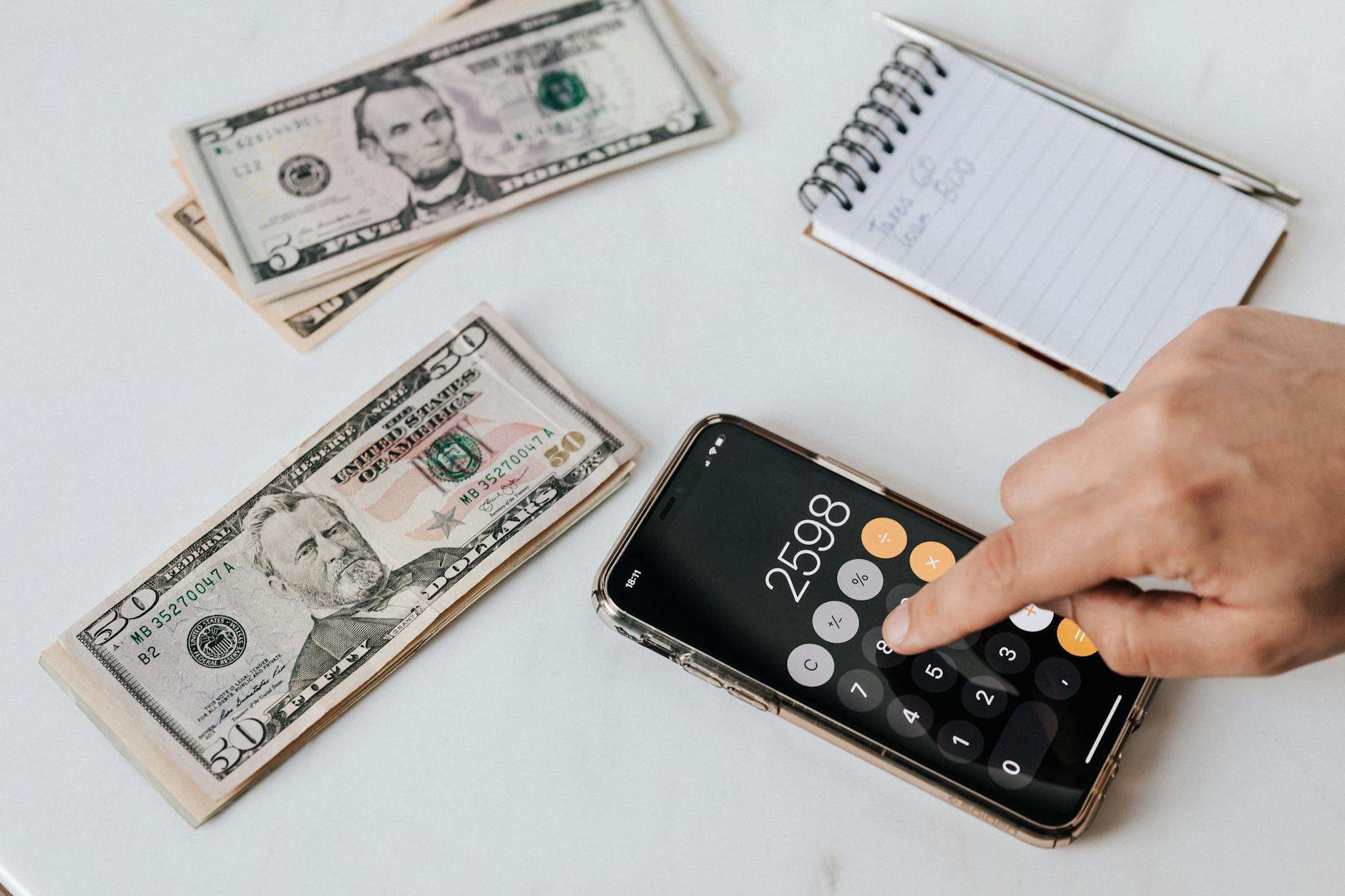
How Much Does a Trip to Bali Cost in 2026? Complete Budget Breakdown
Realistic budget for a trip to Bali in 2026 by traveler type (backpacker, mid-range, luxury): flights, accommodation, transport, meals, activities, visa, eSIM. With links to our trusted partners.
Avoid These Mistakes From Day One
IndoLingua's 180 lessons target these exact mistakes with focused exercises, native audio and dictation, so they never become habits. Free Discovery plan — no credit card.
Practice Free