Last updated: September 30, 2026
Best App to Learn Indonesian: which one gets you past A2?
The short answer
Every major Indonesian app teaches roughly the same beginner material. Where they differ is where they stop: Pimsleur's single Indonesian level ends around A1, Duolingo, Ling and Babbel around A2 — Babbel says so itself — and only IndoLingua continues through to C2. If your goal is holding a real conversation rather than keeping a streak, the ceiling matters more than the interface — and it is the one thing app comparisons almost never tell you.
Where each app stops, and why
CEFR levels run from A1 (absolute beginner) to C2 (near-native). Most learners who say they want to speak Indonesian are describing B1: following a conversation at natural speed and holding your side of it. That is the level most apps do not reach.
IndoLingua
C2
Babbel
A2
Pimsleur
A1
Duolingo
A2
Ling
A2
How this comparison is built
IndoLingua publishes this page, so here is the criterion we rank on: how far each course goes, measured against each publisher's own syllabus rather than our opinion of it. You can check every ceiling below yourself. We say plainly where a competitor is the better choice — Pimsleur for audio-only learners, Duolingo for a free daily habit — because a comparison that never concedes anything is not a comparison.
The comparison, ceiling first
| Criterion | IndoLingua | Duolingo | Babbel | Pimsleur | Ling |
|---|---|---|---|---|---|
| Where it stops (CEFR) | C2 | A2 | A2 | A1 | A2 |
| Reaches conversational B1 | Yes | No | No | No | No |
| Grammar depth | High | Low | High | Medium | Low |
| Spaced repetition | Yes | No | Limited | Yes | No |
| Cultural context | Deep | Basic | Basic | Light | Light |
| CEFR certificate | A1-C2 | No | Limited | No | No |
| Free access (no card) | 10 lessons | Yes, with ads | Trial only | Trial only | Limited |
| Price (paid tier) | 12,99 € | 6,99 € | 12,95 € | 19,95 € | 14,99 € |
The five apps in detail
IndoLingua
C2GOES FURTHESTFor learners who intend to reach B1 and beyond
Free plan + 12,99 €/mo Pro
Why it stops there
180 lessons published across the full A1 to C2 range, each level with its own exercises, its own vocabulary set and a CEFR-aligned certificate. It is the only one of the five whose Indonesian syllabus continues past B1.
✅ Pros
- • The only full A1 to C2 Indonesian syllabus of the five
- • Native audio, dictation and writing correction built into the lessons
- • Spaced repetition over 4000+ vocabulary items
- • CEFR-aligned certificates at every level
- • Cultural context taught alongside the language, not as trivia
- • Free Discovery plan — 10 lessons, no credit card
❌ Cons
- • Smaller community than the mass-market apps
- • Web-first, installable as a PWA rather than native-first
- • The free plan is a sample of the syllabus, not a free course
Babbel
A2For learners who want grammar explained properly
12,95 €/mo
Why it stops there
Babbel states it on its own help centre: its Indonesian “courses and topics [are] available up to level A2”, where its Spanish goes to C1 and its German to B2. Indonesian is listed among the languages offered to English speakers. What exists is well built — the catalogue simply ends before conversational B1.
✅ Pros
- • Genuinely good structured grammar explanations
- • Well suited to speakers of European languages
- • Short, well-produced lessons
❌ Cons
- • Stops at A2, by Babbel's own account
- • No free plan — the trial asks for a card
- • No conversation practice
- • Among the priciest per hour of Indonesian content
Pimsleur
A1For learners with a commute and no screen time
19,95 €/mo
Why it stops there
Pimsleur publishes a single level for Indonesian: 30 lessons of about 30 minutes, roughly 15 hours of audio — where French has five levels and 150 lessons. The method builds listening and pronunciation very effectively, but 15 hours covers early A1 material. Pimsleur itself publishes no CEFR level for the course.
✅ Pros
- • The strongest pronunciation and listening method of the five
- • Genuinely hands-free — learn while driving or walking
- • Spaced repetition is built into the method itself
❌ Cons
- • The most expensive option here
- • No reading or writing practice
- • No interactive exercises
- • A single level: 30 lessons in total
Duolingo
A2For building a daily habit from zero
Free with ads / 6,99 €/mo
Why it stops there
Duolingo does offer Indonesian — that is often reported wrongly. But the course runs roughly a quarter the length of its flagship courses, has neither Stories nor a podcast, and teaches formal register only. Mezzoguild, which reviews Indonesian resources specifically, lists it as not recommended.
✅ Pros
- • The best free way to start, and genuinely free
- • Gamification that actually sustains a daily habit
- • Large community and a polished mobile app
❌ Cons
- • The Indonesian course stops around A2
- • No Stories and no podcast, unlike its flagship languages
- • Formal register only — not how Indonesians speak day to day
- • No conversation practice
Ling
A2For picking up phrases before a trip
14,99 €/mo
Why it stops there
Built around short game loops on travel and beginner topics. The Indonesian syllabus covers that ground well and does not continue into intermediate grammar.
✅ Pros
- • Pleasant, game-like interface
- • Covers travel situations usefully
- • Wide language catalogue if you study several
❌ Cons
- • Shallow syllabus — A1 to A2 at most
- • No conversation practice
- • Repetitive game loops once the novelty fades
- • Expensive for the depth on offer
Which one should you choose?
If your goal is…
Holding a real conversation (B1 and beyond)
Choose
→ IndoLingua — the only one of the five that continues past B1
If your goal is…
Starting from zero at no cost, today
Choose
→ Duolingo — genuinely free, and good at building the habit
If your goal is…
Learning hands-free during a commute
Choose
→ Pimsleur — the best audio method here, for a first 15 hours
If your goal is…
Having grammar explained rigorously
Choose
→ Babbel or IndoLingua — both teach it properly
If your goal is…
A handful of phrases before a two-week trip
Choose
→ Ling or Duolingo — A2 is more than enough for that
If your goal is…
A certificate you can put on a CV
Choose
→ IndoLingua — CEFR-aligned certificates from A1 to C2
Frequently asked questions
What is the best app to learn Indonesian?+
It depends on where you intend to stop. For a free daily habit at beginner level, Duolingo is the best starting point. For audio-only learning, Pimsleur is the strongest method. For rigorous grammar, Babbel. But if you want to hold a real conversation, only IndoLingua publishes a syllabus that continues past B1 — 180 lessons from A1 to C2, with native audio, dictation and CEFR-aligned certificates.
Does Duolingo have Indonesian?+
Yes. Duolingo offers an Indonesian course, and it is free. What it does not offer is depth: the course runs about a quarter the length of Duolingo's flagship languages, has no Stories and no podcast, and teaches formal register only. It is a good first month and a poor second year.
Is Duolingo enough to learn Indonesian?+
Enough to reach roughly A2 — greetings, numbers, simple sentences, ordering food. Not enough to follow a conversation between two Indonesians at natural speed, which is B1. Learners who stop at Duolingo commonly report understanding shop signs but not people. Use it to build the habit, then move to a course that continues past A2.
Which app takes you to B1 or B2 in Indonesian?+
Of the five compared here, only IndoLingua publishes lessons past B1, continuing through B2, C1 and C2. Babbel stops at A2 — its own help centre says so — and Pimsleur's single Indonesian level covers about A1. Duolingo and Ling stop around A2. If B2 is your target, check any app's published syllabus for upper-intermediate content before you subscribe — most do not have it for Indonesian.
Is there a free app to learn Indonesian?+
Duolingo is free with ads and is the most complete genuinely free option. Ling has a limited free tier. IndoLingua has a free Discovery plan of 10 lessons and 100 flashcards with no card required — a sample of the syllabus rather than a free course; the full A1 to C2 programme is 12,99 € a month. Babbel and Pimsleur are trial-only and ask for a card. Expect to pay somewhere once you pass beginner level: no app offers a complete free path to B1 in Indonesian.
How long does it take to reach B1 in Indonesian?+
Indonesian is unusually approachable for English speakers — no tones, no cases, no verb conjugation, and a Latin alphabet. Conversational B1 is typically reached within 6 to 12 months at 30 to 45 minutes a day, far sooner than for Mandarin or Japanese. Reaching it depends less on which app you pick than on whether your app still has lessons left when you get to A2.
Related reading
- ➜ Babbel Indonesian review: good, but it stops at A2
- ➜ Pimsleur Indonesian review: one level, 30 lessons
- ➜ Does Rosetta Stone have Indonesian? No — here is why
- ➜ How long does it take to learn Indonesian?
- ➜ Learn Indonesian: the complete guide
- ➜ Alphabet and pronunciation guide
- ➜ Indonesian grammar basics
Why are you learning Indonesian?
Pick your path — we tailor everything to your goal.
Free Resources to Learn Indonesian
Complete guides, comparisons and practical tips
What are the best storytelling apps with Indonesian support?
Beelinguapp and LingQ both carry Indonesian; Duolingo Stories does not. What each one actually gives you — and what to read once the story library runs out.
Read the guideDuolingo Indonesian — How Far It Takes You
The course stops around A2, with no Stories and no podcast, and teaches formal register only
Read the guideBeginner Guide — Where to Start
Alphabet, pronunciation, essential grammar, first 100 words, 30-day roadmap to A1
Read the guideLearn Indonesian — Complete Guide
A1-C2 levels, methods, duration, app comparison
Read the guideEssential Phrases for Travelers
50+ practical phrases for Bali, Jakarta, markets
Read the guideIndonesian vs Malay: Key Differences
80% mutual intelligibility, vocabulary, grammar
Read the guideIndoLingua · indolingua.fr · Learn Indonesian from A1 to C2
Latest from our blog
In-depth articles to go beyond the basics
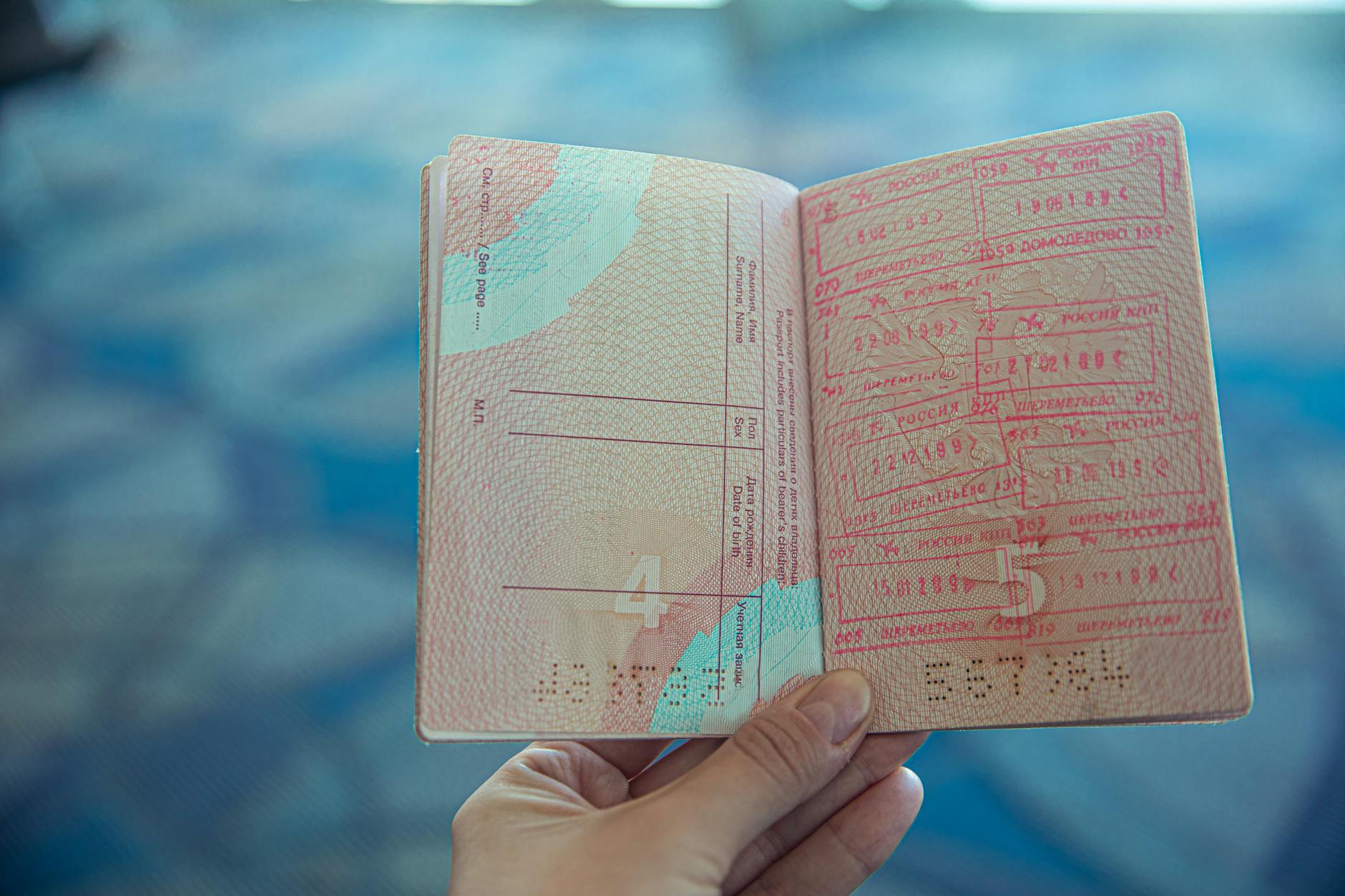
Indonesia Visa 2026: Complete Guide (e-VOA, B211A, KITAS) for Europeans
Everything you need to know about Indonesia visas in 2026: Visa on Arrival, online e-VOA, B211A long stay, KITAS expat. Fees, duration, process, extensions, and our partner services.

Where to Stay in Bali in 2026: Neighborhood & Hotel Guide by Budget
Bali offers 8 very different areas to stay: cool Canggu, spiritual Ubud, chic Seminyak, surf-friendly Uluwatu, family-friendly Nusa Dua... Our guide to choosing based on your style and budget.
Learn Bahasa Indonesia in 30 days: a detailed week-by-week roadmap
30 days to reach A1 in Bahasa Indonesia: a day-by-day tested program with free and paid resources, ideal pace, and pitfalls to avoid.
See the syllabus that continues past A2
The free Discovery plan opens 10 lessons and 100 flashcards, no credit card required. Pro unlocks the full A1 to C2 programme at 12,99 € a month, with a 3-day free trial (card required, nothing charged during the trial) and a 30-day money-back guarantee.
Start with the free plan