The most common Bali scams are money-changer short-changing, fake scooter-damage charges, taxi overcharging, and pushy "free" offers. Avoid them by using authorized money changers (and counting your cash), photographing a rental scooter before you ride, and booking Grab/Gojek or a metered Bluebird taxi. The most useful phrases are "Berapa?" (how much?), "Terlalu mahal" (too expensive), and "Tidak, terima kasih" (no, thank you).
Bali is overwhelmingly friendly and safe, but a few tourist-targeted scams repeat in the busy areas (Kuta, Legian, Canggu, Ubud). None require fear — just awareness and a calm, polite "no". A little Indonesian instantly signals you're not a first-day tourist.
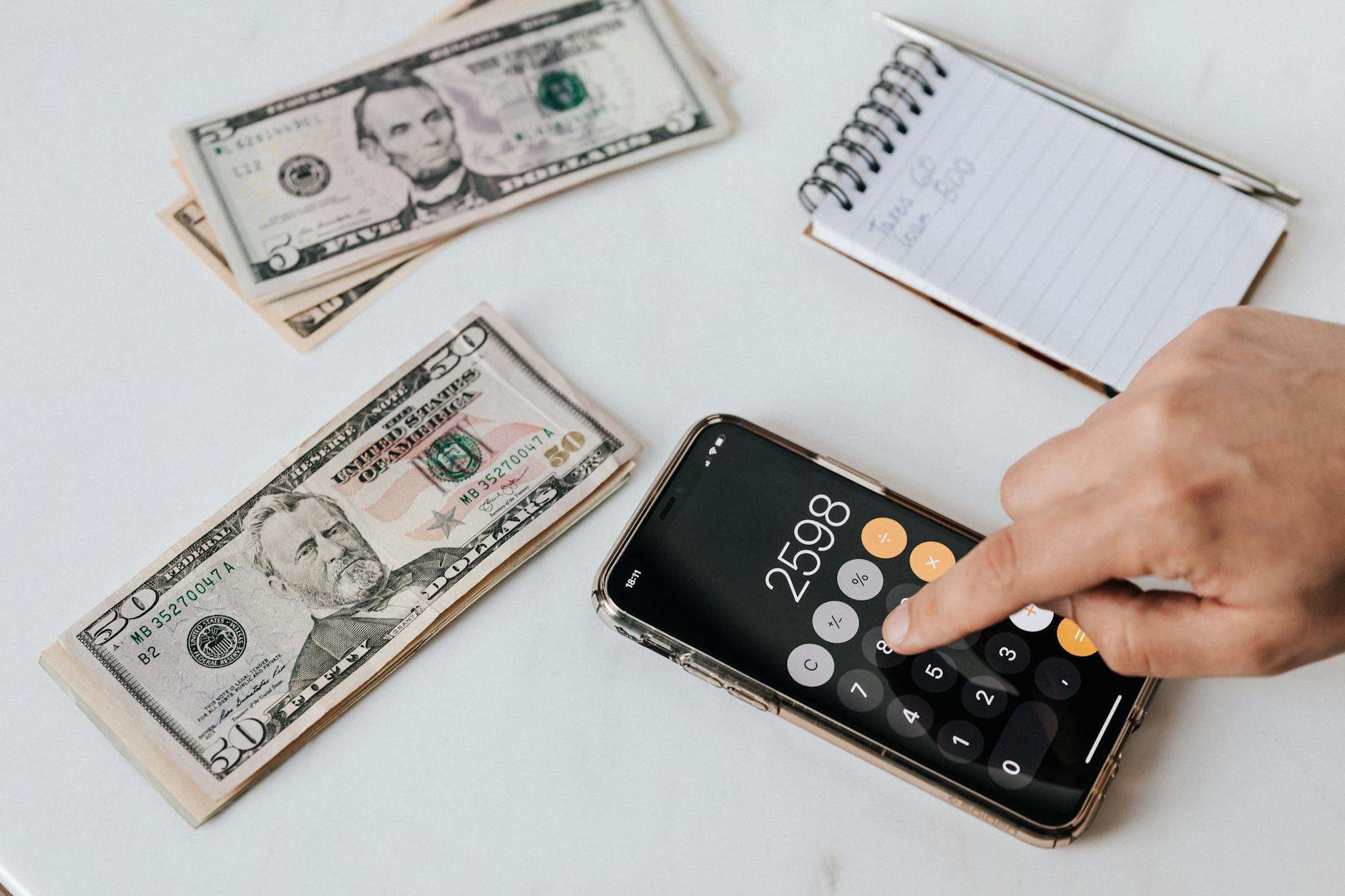
1. Money-changer short-change. Back-alley changers with "no commission, best rate" signs distract you and palm notes back. Use authorized (PT) money changers, refuse calculators you can't see, and count every note yourself before handing over your dollars.
2. Scooter "damage". A rental scratch you didn't make becomes a fee on return. Photograph and video the whole scooter (and the existing damage) with the renter watching, and keep your passport — never surrender it as a deposit; pay a cash deposit instead.
3. Taxi overcharging. "Meter broken, fixed price" means an inflated fare. Insist "pakai argo" (use the meter) with a metered Bluebird, or just book Grab/Gojek where the price is fixed in-app.
4. The "free" gift / closed-temple / spiked-drink tricks. A "free" bracelet becomes a donation demand; a tout says a temple is "closed, come to my shop"; party-area drinks can be over-poured or spiked. Decline with "Tidak, terima kasih", verify opening hours yourself, and watch your drink being poured.
"Tidak, terima kasih." (with a smile, keep walking)
"No, thank you."
The single most useful sentence in Bali
"Terlalu mahal. Boleh kurang?"
"Too expensive. Can you lower it?"
Normal at markets — bargaining is expected
"Pakai argo, ya."
"Use the meter, please."
"Saya cuma lihat, terima kasih."
"I'm just looking, thank you."
At markets and with street vendors, bargaining is normal and expected — a starting price 2–3× the real value isn't a scam, it's the game. Smile, offer around half, and meet in the middle; walking away usually gets the real price. Fixed-price shops, supermarkets and warungs are not negotiable.
A real scam is deception — hidden damage fees, fake meters, sleight-of-hand with cash. Stay calm, never feel pressured, and remember most Balinese are genuinely warm and helpful. If something feels wrong, a firm "Tidak" and walking toward a busy area ends it.
Is Bali safe for tourists?+
Yes — violent crime against tourists is rare. The real risks are petty scams, scooter accidents, and over-charging. Awareness, travel insurance, and a few Indonesian phrases handle nearly all of it.
How do I avoid taxi scams in Bali?+
Book Grab or Gojek (price fixed in-app), or use a metered Bluebird taxi and ask for "pakai argo" (use the meter). Avoid unmarked taxis quoting a flat "special price".
Should I bargain in Bali?+
Yes, at markets and with street vendors — it's expected. Start around half the asking price and stay friendly. Don't bargain in fixed-price shops, minimarkets or warungs.
Do I need to speak Indonesian to stay safe?+
No, but a few words help a lot. "Tidak, terima kasih" (no thanks), "Berapa?" (how much), and "Terlalu mahal" (too expensive) signal experience and defuse most pushy situations.
What should I do if I'm scammed?+
Stay calm, don't escalate, and walk to a busy public area. For anything serious, the tourist police (Polisi) can help; keep copies of your passport and any "kuitansi" (receipts).
Travel Bali smarter with a little Indonesian
A handful of phrases changes how locals treat you. Learn the essentials — numbers, prices, polite refusals — with IndoLingua's lessons and native audio.
Start learning Indonesian