Last updated: April 24, 2026
Why Learn Indonesian in 2026?
Indonesian (Bahasa Indonesia) is one of the highest-ROI languages to learn in 2026: 270 million speakers, one of the easiest major Asian languages, a G20 economy, world-class travel destinations, and a rare differentiator on Western CVs. Here are 6 compelling reasons.
1. 270 million speakers across 17,000 islands
Indonesian is the official language of Indonesia — the 4th most populous country on Earth. It unlocks communication across Java, Sumatra, Bali, Sulawesi, Papua and beyond. Combined with 80% mutual intelligibility with Malay, you gain access to over 300 million speakers in total.
2. One of the easiest major Asian languages for English speakers
The US Foreign Service Institute ranks Indonesian as Category II (~900 hours to professional fluency). No verb conjugations, no noun genders, no tones, and it uses the Latin alphabet. Compare with Mandarin (Category IV, tones + characters) or Japanese (Category IV, kanji + 3 scripts).
3. Huge economic opportunity (G20, largest economy in Southeast Asia)
Indonesia is a G20 member projected to reach the top-5 global economies by 2050. Fluency in Indonesian opens doors in tech (Gojek, Tokopedia, Traveloka), mining, textiles, tourism, and international trade. Speaking Indonesian in Southeast Asian business settings is a strong differentiator.
4. World-class travel destinations (Bali, Raja Ampat, Komodo)
Bali, Lombok, Nusa Penida, Yogyakarta, Java, Sumatra, Flores, Komodo, Raja Ampat — some of the planet's best beaches, volcanoes, diving and cultural sites. Knowing basic Indonesian transforms a tourist trip into a local experience: better prices, warmer interactions, safer travel off the tourist track.
5. Rich culture, cuisine and music traditions
Indonesian culture spans 700+ ethnic groups, gamelan music, batik textiles, wayang shadow puppetry, Hindu-Buddhist temples (Borobudur, Prambanan), and a food tradition featuring rendang, nasi goreng, sate and gado-gado. Learning the language deepens every cultural encounter.
6. Rare skill in Western CVs — strong differentiation
Compared to Spanish, French or Mandarin, Indonesian is a rare language in Western job markets. For diplomats, NGO workers, journalists, researchers, or tech professionals targeting Southeast Asia, Indonesian fluency is a significant CV differentiator that few candidates possess.
Frequently Asked Questions
Why should I learn Indonesian over other Asian languages?+
Indonesian offers the best effort-to-reward ratio among major Asian languages. It is FSI Category II (vs Mandarin and Japanese at Category IV), uses the Latin alphabet, has no tones, and unlocks a market of 270 million speakers. If your goal is practical communication in Southeast Asia, Indonesian is the easiest entry point.
Is Indonesian worth learning in 2026?+
Yes. Indonesia is a rising G20 economy projected in the top 5 by 2050. Its tech ecosystem (Gojek, Tokopedia, Grab) is scaling globally. For travelers, remote workers, entrepreneurs and diplomats, Indonesian is increasingly strategic — and still rare enough to be a career differentiator.
Can I learn Indonesian just for a Bali vacation?+
Yes, and it dramatically improves the trip. Tourist zones (Seminyak, Ubud, Canggu) run on English, but basic Indonesian unlocks better prices in markets, warmer interactions with locals, and safer navigation outside tourist areas. 30 days and 20-30 min/day is enough to reach practical A1.
How hard is Indonesian compared to French or Spanish?+
Indonesian is easier in several ways: no verb conjugations (French has ~12 tenses per verb), no grammatical gender (Spanish nouns are masculine or feminine), no tones. Vocabulary is harder because Indonesian is unrelated to European languages — but you gain 500 words faster than in Spanish because grammar is minimal.
Is Indonesian the same as Balinese or Javanese?+
No. Indonesian (Bahasa Indonesia) is the national language, spoken across the whole country. Balinese and Javanese are regional ethnic languages with their own grammar and honorific systems. Learning Indonesian gives you universal access; Balinese and Javanese are bonus layers for deep cultural connection in specific regions.
Why are you learning Indonesian?
Pick your path — we tailor everything to your goal.
Free Resources to Learn Indonesian
Complete guides, comparisons and practical tips
Beginner Guide — Where to Start
Alphabet, pronunciation, essential grammar, first 100 words, 30-day roadmap to A1
Read the guideLearn Indonesian — Complete Guide
A1-C2 levels, methods, duration, app comparison
Read the guideEssential Phrases for Travelers
50+ practical phrases for Bali, Jakarta, markets
Read the guideIndonesian vs Malay: Key Differences
80% mutual intelligibility, vocabulary, grammar
Read the guideBest App to Learn Indonesian
2026 comparison: IndoLingua vs Duolingo, Babbel, Pimsleur
Read the guideHow Long to Learn Indonesian?
FSI timeline: 900h total from A1 to C2
Read the guideIndoLingua · indolingua.fr · Learn Indonesian from A1 to C2
Latest from our blog
In-depth articles to go beyond the basics
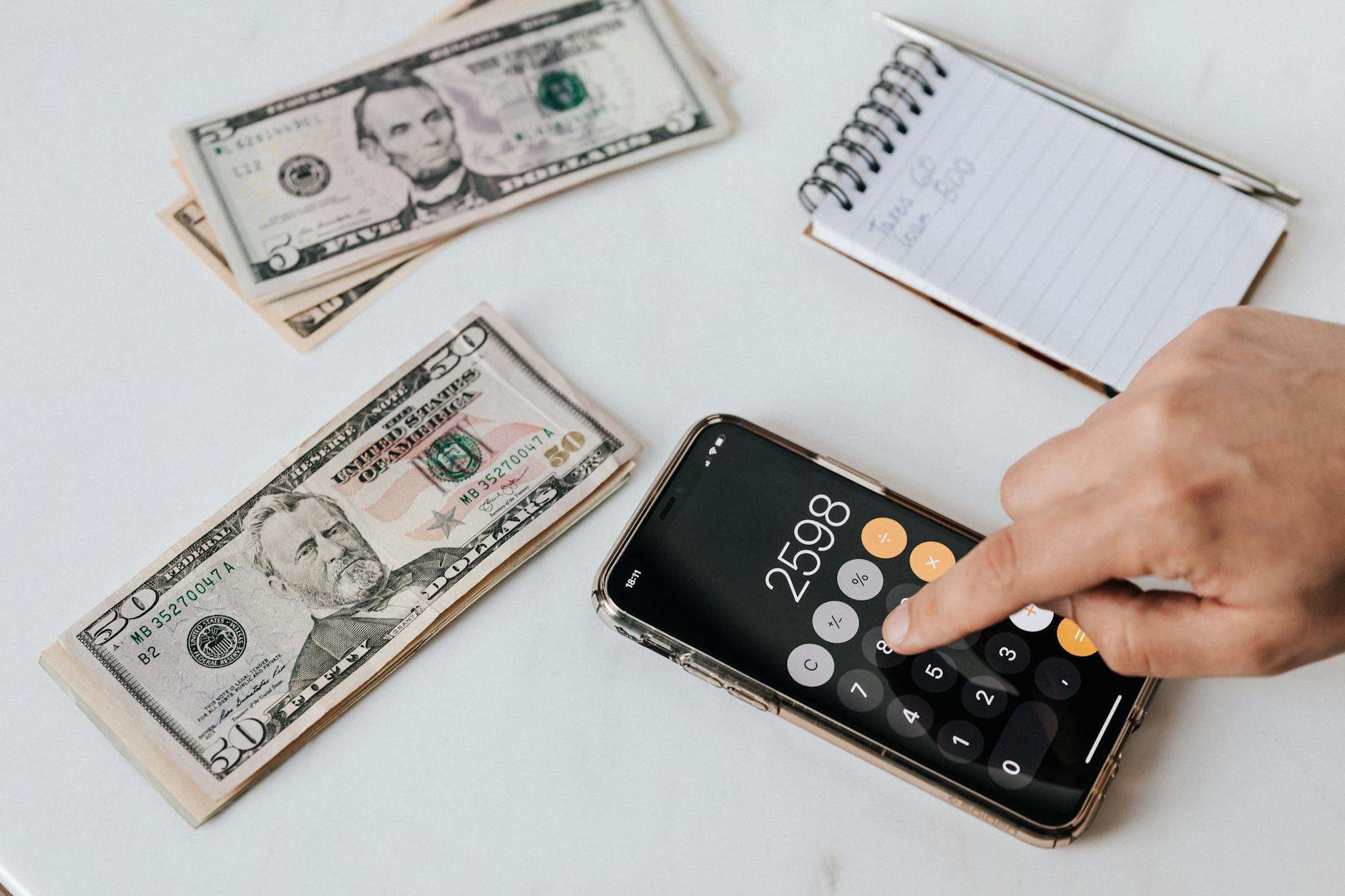
How Much Does a Trip to Bali Cost in 2026? Complete Budget Breakdown
Realistic budget for a trip to Bali in 2026 by traveler type (backpacker, mid-range, luxury): flights, accommodation, transport, meals, activities, visa, eSIM. With links to our trusted partners.

50 Essential Indonesian Words to Know Before Your Bali Trip
50 words and phrases in Bahasa Indonesia every traveler should master before landing in Denpasar: greetings, bargaining, restaurants, emergencies. With phonetic pronunciation.
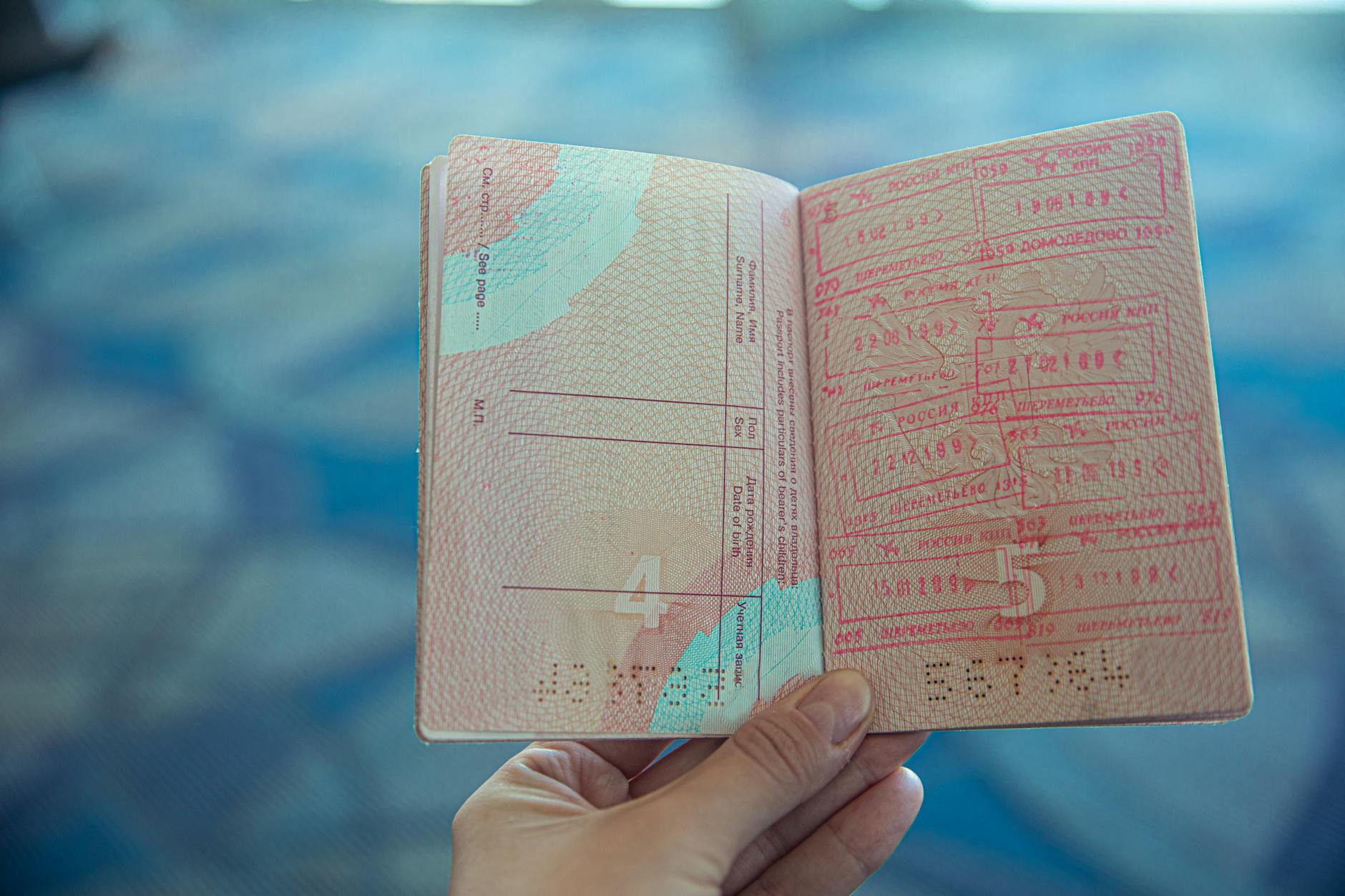
Indonesia Visa 2026: Complete Guide (e-VOA, B211A, KITAS) for Europeans
Everything you need to know about Indonesia visas in 2026: Visa on Arrival, online e-VOA, B211A long stay, KITAS expat. Fees, duration, process, extensions, and our partner services.
Convinced? Start with 10 free lessons
IndoLingua gives you the first 10 lessons + 100 flashcards for free. Upgrade to Pro (€12.99/mo) for the full A1-C2 curriculum with native audio and spaced-repetition review. Premium adds the dictation, dictionary and scanner tools.
Start Learning Indonesian Free